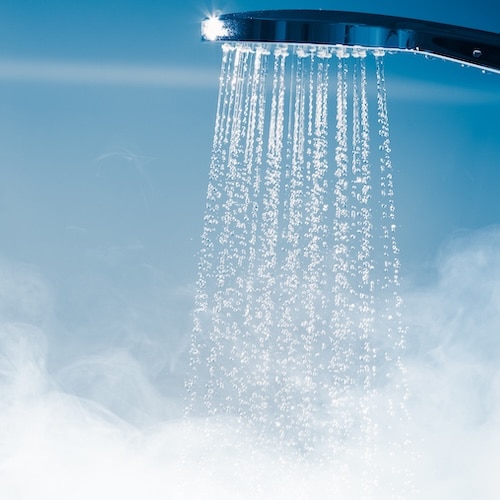
Nothing beats the feeling of jumping into a super-hot shower on a freezing cold winter’s day. As winter temperatures drop, household electricity use increases, leading to higher bills.
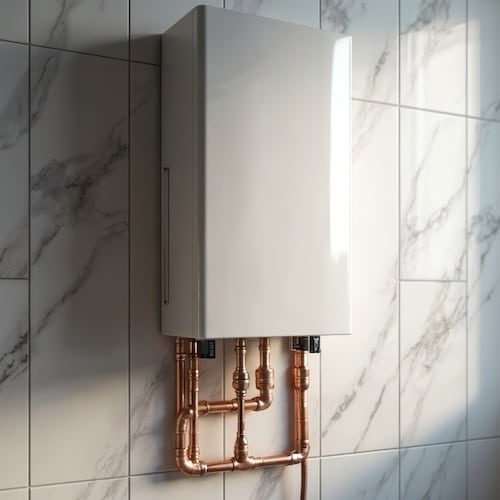
Your geyser is one of the biggest contributors to overall electricity use. Here are some ways to survive the winter chill while managing your energy budget.
Why Your Geyser Uses More Energy in Winter
Water entering your geyser is much colder in winter, and the geyser works harder to heat it. Winter means longer and hotter showers. Homes also use extra hot water for laundry, dishes, and baths. A geyser loses heat quickly when the weather is cold, and an older geyser or one without insulation even quicker.
Signs Your Geyser May Be Working Too Hard
- Your water takes longer to heat up.
- Your electricity bills have suddenly increased.
- Your geyser makes noises or is always reheating.
- You run out of hot water quickly.
Simple Ways to Reduce Geyser Energy Costs
- Install a geyser blanket to retain heat and cut energy loss.
- Adjust your thermostat. The default temperature setting on most geysers is 65°C, but for optimal efficiency, set your thermostat to 50°C in summer and 60°C in winter.
- Use hot water wisely. Aim for shorter showers and space out hot water use if you can.
- Fix leaks and drips. A small leak can waste more hot water than you realise.
- Consider a timer or smart geyser control. This prevents the geyser from heating water unnecessarily.
When to Call a Professional
- You have ongoing high electricity bills.
- Your water temperature is inconsistent.
- Your geyser is old, worn, or leaking.
- You want regular geyser maintenance to improve efficiency.
Higher winter electricity and hot water use is normal. Making small adjustments can add up to a big difference in energy expenses. If you have any concerns, arrange for a plumbing professional to do a geyser check before winter.
For any geyser-related services, contact us.